Appliances rarely break without warning. They grind, drip, and struggle for days, sometimes weeks, before they finally quit. Here’s how to catch the signals early, before a $150 repair turns into a $1,500 replacement.
Somewhere between the third load of laundry that comes out damp and the fridge that’s suddenly working overtime, most homeowners start wondering the same thing: is this normal, or is something actually wrong? More often than not, it’s the second one. Appliances are built to run quietly in the background of your life, and when they start acting up, it’s almost always a sign that something inside has shifted: a worn bearing, a clogged line, a failing sensor.
The good news is that appliances tend to be honest. They don’t fail silently. They complain first, through noise, through moisture, through your utility bill, and if you know what to listen for, you can usually step in before a manageable repair becomes a full-blown replacement. Here’s what our technicians at CityFix Appliance Repair see over and over again across Los Angeles kitchens and laundry rooms.
1. Strange Noises That Weren’t There Before
A dishwasher that suddenly grinds, a dryer that squeals on every spin, a fridge that hums louder than usual- these aren’t quirks; they’re mechanical distress calls. Most household appliances rely on motors, fans, belts, and bearings that are supposed to run smoothly and quietly. When one of those parts starts to wear down, friction increases, and that friction shows up as sound long before it shows up as a total breakdown.
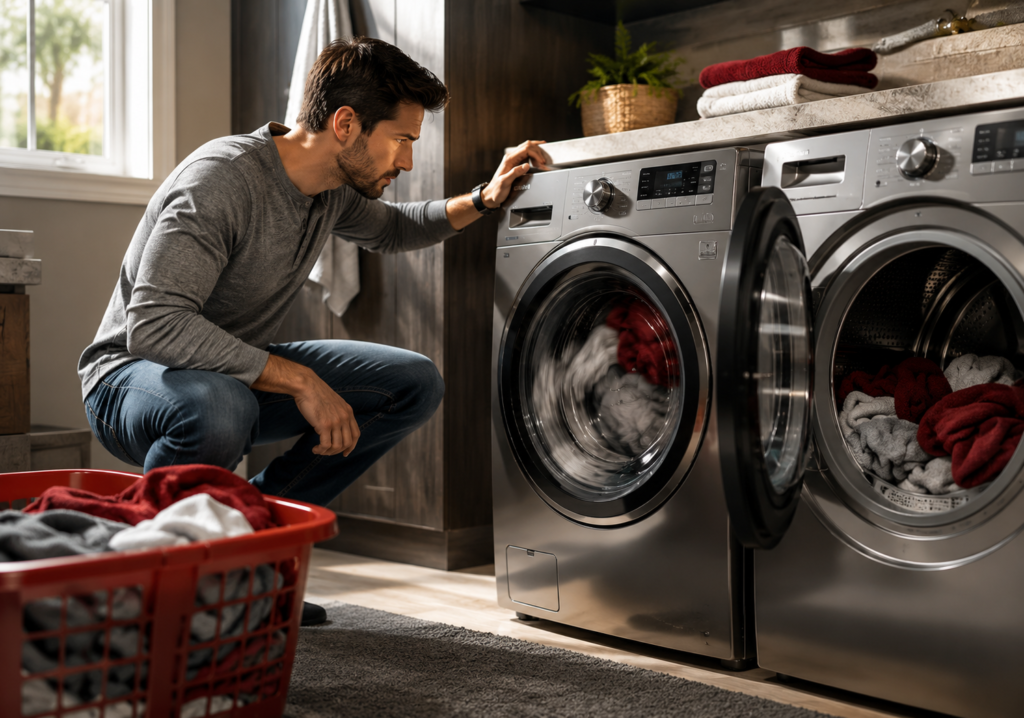
A washing machine that thumps and bangs during the spin cycle, for instance, is often just out of balance, but left alone, that imbalance can wear out the drum bearings or even walk the machine across the floor, damaging your flooring in the process.
2. Water Where It Shouldn’t Be
Puddles under the fridge, water pooling at the bottom of the dishwasher after a full cycle, or a washer that leaves your laundry room floor damp- these are some of the clearest signs of trouble. Leaks usually trace back to a cracked hose, a worn door seal, a clogged drain line, or a failing water inlet valve.
The tricky part about leaks is that the damage isn’t limited to the appliance itself. Left unaddressed, that water can warp flooring, encourage mold growth, and even affect the subfloor. What starts as a $200 seal replacement can quietly turn into a much bigger home repair bill if it’s ignored for too long.
3. It’s Just Not Doing Its Job Anymore
This is the most direct sign of all: the appliance is running, but it’s not actually accomplishing what it’s supposed to. A refrigerator that runs constantly but still can’t keep food properly cold. An oven that takes twice as long to preheat. A dryer that leaves clothes damp after a full cycle. A dishwasher that leaves a film on your glasses.
When performance drops off like this, it’s rarely a coincidence; it usually points to a specific failing part: a weakening compressor, a burnt-out heating element, a dying thermostat, or a clogged spray arm. Catching it here, at the “it’s just not working right” stage, is almost always cheaper than waiting for total failure.

4. A Utility Bill That’s Climbing for No Reason
If your energy bill jumps and nothing about your household habits has changed, an appliance quietly working overtime is a common culprit. A failing compressor forces your refrigerator to run far more than it should. A dryer with a blocked vent has to cycle longer to get clothes dry. These inefficiencies don’t just cost you comfort; they cost you money every single month until the underlying issue is fixed.
5. Burning Smells or Electrical Warning Signs
Safety note: If you smell burning, see sparking, or notice an appliance repeatedly tripping your circuit breaker, unplug it immediately and don’t use it again until a licensed technician has inspected it. These are not “wait and see” situations.
A burning odor when you turn on the oven, an appliance that trips the breaker every time it runs, or an outlet that feels warm to the touch- these all point to electrical issues that can range from a failed component to a genuine fire hazard. This is one category where waiting it out is never the right call.
6. Shaking, Walking, or Vibrating Machines
A washing machine that “walks” across the laundry room during the spin cycle isn’t just annoying; it’s a sign that something is out of balance, whether that’s uneven loading, worn suspension rods, or bearings that have seen better days. The vibration itself can loosen internal connections over time, turning a simple leveling fix into a more involved repair if it’s left unaddressed.
7. It’s Simply Getting Older
Most major appliances have a predictable lifespan; refrigerators and washers typically last 10-13 years, dishwashers around 9-10, and dryers about 10-13 with reasonable care. If your appliance is approaching or past that range and starting to show any of the signs above, it’s worth having it evaluated rather than waiting for a complete breakdown, especially if you’re planning to be in your home for years to come.
What Can Actually Be Repaired?
Almost everything, within reason. Our technicians regularly work on:
- Refrigerators & freezers – cooling failures, compressor issues, ice maker problems
- Ovens, ranges & stovetops – heating elements, igniters, faulty control panels
- Dishwashers – broken pumps, leaks, spray arm blockages
- Washing machines – leaks, motor problems, worn belts
- Dryers – heating elements, thermal fuses, drum rollers
- Water heaters – both gas and electric units
- Microwaves, garbage disposals & trash compactors – switches, jams, motor issues
Repair or Replace? The 50% Rule
A simple guideline most repair professionals use: if the cost of the repair is less than half the price of a new unit, and the appliance isn’t already near the end of its expected lifespan, repair is almost always the more economical choice. It’s a straightforward gut check that saves homeowners from replacing appliances that had years of life left in them.
A Word on DIY Safety
It’s tempting to search up a tutorial and fix things yourself, and for small tasks- cleaning a lint trap, clearing a drain filter, vacuuming refrigerator coils- that’s perfectly reasonable. But before opening up any appliance, always disconnect the power, water, or gas supply first, and be aware that components like capacitors can hold an electrical charge even after an appliance is unplugged. Anything involving the electrical system, gas lines, or sealed refrigeration components is where it’s worth calling in a professional, both for your safety and to avoid voiding any remaining warranty.
Frequently Asked Questions About Signs Your Appliance Needs Repair
What are the most common signs an appliance needs repair?
Unusual noises, leaks, reduced performance, rising energy bills, burning smells, and an appliance that repeatedly trips your breaker are the most common early warning signs.
Is it cheaper to repair or replace a broken appliance?
As a general rule, if the repair cost is under 50% of the price of a new unit, and the appliance is less than 8-10 years old, repair is usually the smarter choice.
Is it safe to repair an appliance myself?
Minor tasks like cleaning filters or coils are generally safe. Anything involving electrical components, gas lines, sealed refrigerant systems, or capacitors should be left to a licensed technician.
Hearing Something You Shouldn’t?
If your appliance is showing any of these signs, don’t wait for it to fail. CityFix Appliance Repair serves homeowners across Los Angeles with same-day diagnostics and no service call fee.