Most trash compactor problems, a unit that won’t start, a jammed ram, a stuck door, or grinding noises, can be diagnosed at home in minutes. Some are simple enough to fix yourself. Others need a licensed technician. This guide walks through how to fix a trash compactor for every common issue, so you know exactly what you’re dealing with before spending a dime.
What’s in this guide
- Before you do anything, safety checklist
- Tools you’ll need
- Trash compactor won’t start
- Ram is stuck or jammed
- Compactor runs but won’t compact
- Door won’t latch or open
- Making loud or grinding noises
- Bad odors even after emptying
- When to stop DIY and call a pro
- FAQ
1. Before You Do Anything, Safety First
Before you attempt to fix a trash compactor, take these steps without exception. Trash compactors use powerful motors and generate hundreds of pounds of compaction force , working on a live unit is dangerous.
✓Unplug the unit from the wall outlet before opening any panels
✓Turn the key switch to the Off position
✓Never manually force the ram up or down, this bends the frame
✓Remove the bag and clear the interior before inspecting
✓Wear gloves, broken glass and sharp metal edges are common inside
2.Tools You’ll Need
For basic trash compactor troubleshooting and repair, most homeowners already have what’s needed:
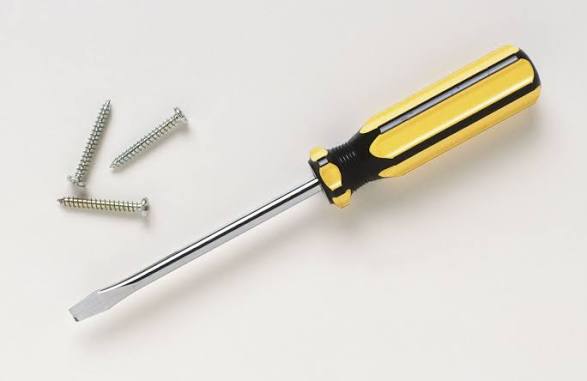
Flathead screwdrive
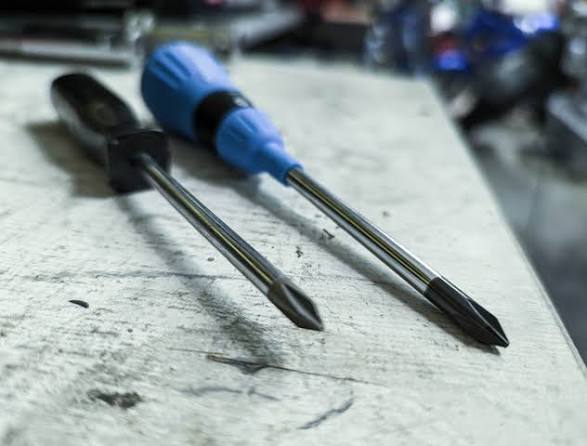
Phillips screwdriver
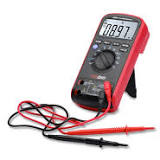
Multimeter
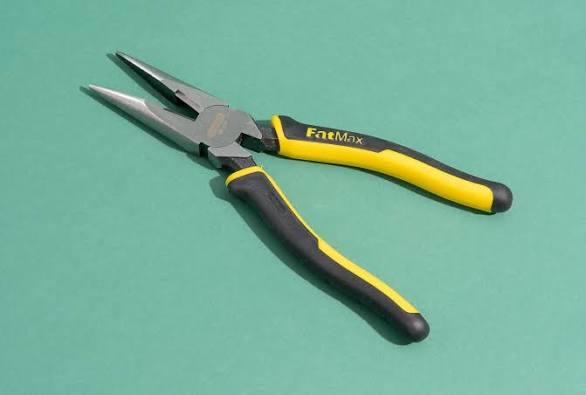
Flathead screwdrive
Phillips screwdriver

Work gloves
A multimeter is essential if you want to test switches and electrical components yourself. If you don’t have one, you can still diagnose most mechanical issues visually.
3. How to Fix a Trash Compactor That Won’t Start
This is the most common call we get in Los Angeles. The compactor is completely unresponsive when you press Start. Before assuming it’s a motor or control board failure, work through these steps in order, the fix is often much simpler than it looks.
Check the power supply
Make sure the unit is fully plugged in and the outlet is live. Test the outlet with another appliance. Some compactors are on a dedicated circuit, check your breaker panel for a tripped breaker.
Check the key switch
Many models require the key switch to be in the “On” position before the Start button does anything. This is the single most common oversight, and it costs nothing to check. Turn the key fully to On, then try Start again.
Confirm the door is fully latched
Trash compactors have a safety interlock, the unit will not start if the door or drawer is even slightly open. Press the door firmly closed until you hear a click, then try starting again.
Hold the start button for 3 seconds
On many KitchenAid, Whirlpool, and GE models, a quick press does nothing, you need to hold the Start button for 2–3 full seconds. Check your model’s manual for the correct start sequence.
Test the door switch with a multimeter
If everything above checks out, the door switch may have failed. Unplug the unit, locate the door switch (usually mounted near the door frame), disconnect the wires, and test for continuity with a multimeter. No continuity when pressed = failed switch. Door switches are inexpensive parts and a straightforward replacement on most models.
⚠️ If the unit hums but doesn’t start, that points to a jammed ram or a failing start capacitor, not a switch issue. Move to Section 4.
4. How to Fix a Jammed Trash Compactor Ram
A ram that won’t move, either stuck mid-cycle or frozen at the bottom, is one of the more frustrating trash compactor problems. The good news: most jams are caused by an oversized item or improper bag, not a mechanical failure.
Turn the key Off, then On again
Some compactors have a reset function triggered by the key switch cycle. Turn it to Off, wait 30 seconds, turn back to On, and attempt to start. This clears some electronic lockouts automatically.
Check for a rigid obstruction
Glass bottles, metal cans, or cardboard folded at the wrong angle can wedge the ram. Unplug the unit, remove the bag carefully with gloves on, and look for any item that may be blocking the ram’s path or wedged between the ram and cabinet wall.
Check the reversing switch
The reversing switch tells the motor to send the ram back up after compaction. If it fails, the ram stops mid-cycle. This switch is usually located inside the top panel. A multimeter test will confirm if it has failed, if so, it needs replacement.
⚠️ Never attempt to manually force a jammed ram with a pry bar or tool. The compactor frame is not designed to absorb lateral force, this causes permanent structural damage. If the ram won’t move after the steps above, call a technician.
5. Compactor Runs but Won’t Compact Properly
If the motor runs and the ram moves but the trash isn’t being compressed, the most likely causes are a worn drive belt or a failing drive motor that’s lost torque.
Worn or broken drive belt
Cause: The drive belt transfers power from the motor to the ram mechanism. Over time it stretches, cracks, or snaps.
Fix: Unplug the unit and access the drive mechanism (usually by removing the front or side panel). Inspect the belt for visible cracking, fraying, or slack. A loose
Drive motor losing torque
Cause: A motor that’s failing won’t generate enough force to compact fully, even if it still runs.
Fix: This is harder to diagnose without a technician. Signs include the motor running noticeably slower than before, the unit struggling on lighter loads, or the motor making a high-pitched whine. Motor replacement is typically a job for a professional due to the wiring and mounting involved.
6. How to Fix a Trash Compactor Door That Won’t Latch or Open
Door problems prevent the compactor from operating entirely since the safety interlock requires a fully latched door to run.
Clean the door gasket and latch area
Debris and sticky residue around the door frame often prevent a clean latch. Wipe the door gasket and latch plate with a damp cloth and mild cleaner. Dry thoroughly, then test.
Inspect and adjust door alignment
On built-in models, the door can come out of alignment over time, preventing the latch from catching. Most models allow for hinge adjustment using a screwdriver, slight adjustments can restore a clean close.
Replace the door latch assembly
If the latch mechanism itself is broken or worn, it needs replacement. This is a straightforward part swap on most models, unscrew the old latch, connect the same wiring to the new one, and reinstall.
7. How to Fix Trash Compactor Noises, Grinding, Rattling, Squealing
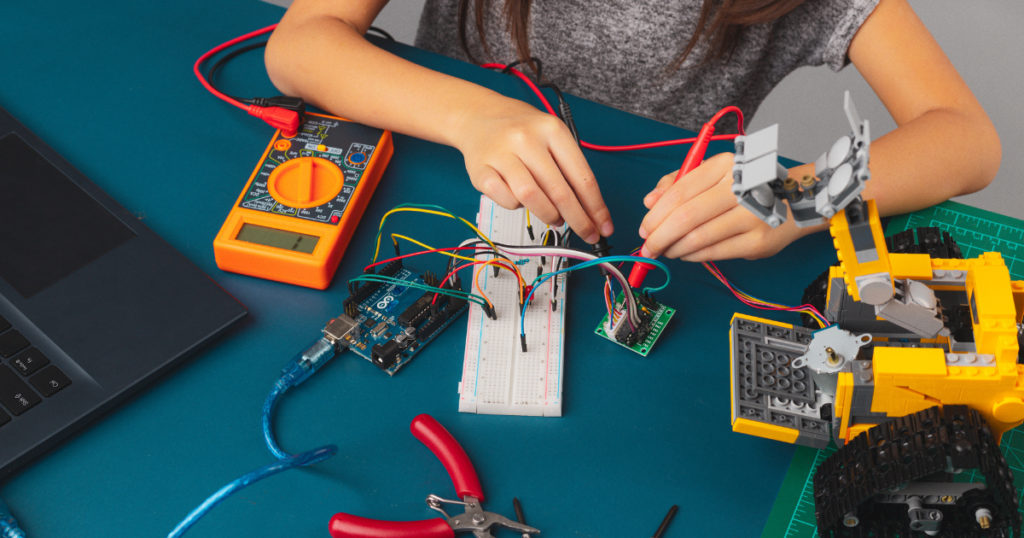
Unusual noises during operation always indicate a mechanical issue that will worsen over time if ignored.
Grinding noise
Usually points to a worn drive gear or damaged gear teeth in the drive mechanism.
Fix: Requires inspection of the gear assembly. Worn gears must be replaced, running the unit with damaged gears accelerates damage to the motor and ram housing.
Rattling during operation
Often a loose component inside the cabinet, a screw, a piece of debris, or a loose drive belt cover.
Fix: Unplug, remove the bag, and inspect the interior and surrounding panels for anything loose. Tighten or remove as appropriate.
Squealing or high-pitched noise
Typically a dry motor bearing or a belt that needs replacing.
Fix: A dry bearing can sometimes be addressed with a small amount of machine oil applied carefully to the motor shaft. If the belt is the cause, replace it as described in Section 5.
8. How to Fix Trash Compactor Odors
Persistent odors, even after emptying, are almost always a maintenance issue, not a mechanical one. This is one of the easiest trash compactor problems to fix yourself.
✓Replace the charcoal odor filter, this is the single most effective fix and should be done every 3–6 months
✓Wipe the interior walls and ram face with a disinfectant after every bag change
✓Sprinkle baking soda at the bottom of each new bag before adding waste
✓Clean the door gasket and tray drain, liquid buildup is a primary odor source
✓Never compact wet food waste without a proper odor-absorbent bag designed for your model
9. When to Stop DIY and Call a Technician
- The ram is jammed and won’t move after the reset procedure
- The motor hums but produces no movement
- You suspect a control board or wiring issue
- The unit sparks or trips the breaker when plugged in
- Drive gears are visibly cracked or stripped
- The problem returned after you already attempted a repair
Still Can’t Fix It? We’re Available Same-Day Across Los Angeles.
CityFix technicians cover 70+ cities in Greater LA, Glendale, Burbank, Pasadena, Sherman Oaks, Studio City, and beyond. Licensed, background-checked, and backed by a 90-day parts & labor warranty on every repair.
10. Frequently Asked Questions
Can I fix a trash compactor myself?
Many common problems, a failed door switch, a worn drive belt, a tripped breaker, or an odor issue, are DIY-friendly if you’re comfortable with basic tools. Problems involving the drive motor, control board, wiring, or a jammed ram that won’t reset are best handled by a licensed technician to avoid further damage.
Why does my trash compactor hum but not start?
A humming motor that produces no movement almost always means the ram is mechanically jammed or the start capacitor has failed. Unplug the unit immediately, running a humming motor continuously will burn it out. Clear any obstruction from the interior first, then attempt the key switch reset procedure described in Section 4.
How do I reset a trash compactor?
Most models reset by turning the key switch to Off, waiting 30 seconds, then turning it back to On. Some models have a dedicated reset button, usually located on the back panel or inside the top panel. Consult your owner’s manual or search your model number for model-specific reset instructions.
What causes a trash compactor to stop mid-cycle?
What causes a trash compactor to stop mid-cycle?
The most common causes are a tripped thermal overload protector (the motor overheated), a failing reversing switch, or a mechanical obstruction that stopped the ram. Let the unit cool for 30 minutes, clear the interior, and attempt a key switch reset before calling for service
How long should a trash compactor last?
A well-maintained built-in trash compactor typically lasts 10–15 years. Regular filter changes, correct bag usage, and avoiding glass compaction are the biggest factors in longevity. Most problems that arise before the 10-year mark are single-component failures that are worth repairing.